
Behind the Scenes: How SavvY and SARAS Made IFRS Training Accessible in Georgia
In the last few years, Georgia has made big progress in improving the quality of its financial reporting. The country decided to follow International Financial Reporting Standards (IFRS), which are used all over the world to make financial information more transparent and comparable.
When the new Law on Accounting, Reporting and Auditing was introduced, many companies had to change the way they prepared their financial statements. This was not an easy task. Accountants and auditors needed new knowledge, new materials, and new skills to understand and apply IFRS correctly.
That is why SavvY, in partnership with the Service for Accounting, Reporting and Auditing Supervision (SARAS) under the Ministry of Finance of Georgia, and supported by the USAID Governing for Growth (G4G) project, started a large national initiative to make IFRS training available to everyone in Georgia.
Legal Background and the Need for Training
According to the new law, many Georgian companies must prepare their financial statements under IFRS. This was an important step for the country’s integration into international markets and to increase the trust of investors and partners.
However, following IFRS in practice required much more than just knowing the rules. Companies needed trained specialists who could apply these standards in real business situations. The goal of the project was to help Georgian professionals learn IFRS in a practical, easy-to-understand way, and make this knowledge available across the country.
Challenges in IFRS Training Implementation
Creating a full IFRS training program in Georgia came with several serious challenges:
1. Not enough qualified trainers
At the start, there were only a few people in Georgia who had enough knowledge and teaching experience to train others in IFRS.
2. Materials only in English
Most IFRS materials were available only in English, so many accountants found it difficult to study. The project had to translate and adapt complex professional content into clear Georgian language.
3. The need for interactive learning
Traditional lectures were not enough. The program needed to include examples, exercises, and real-life situations to help participants truly understand how to use IFRS in their daily work.
SavvY’s Role and Partnership with SARAS
To solve these problems, SavvY worked closely with SARAS and international experts to design a multi-stage capacity-building program. The idea was to train local trainers first, who could then train hundreds of accountants across the country.
1. Step-by-step program with international experts
Together with well-known IFRS specialist Mike Wells and other experts, SavvY created a learning plan that covered all key areas of IFRS and IFRS for SMEs.
2. Engaging local professionals
SavvY built a strong cooperation network.
- A Review Committee of Georgian experts was formed to carefully check the quality of the translations.
- The IFRS Training Network was created to connect trainers, share opportunities, and exchange knowledge about new developments in the field.
3. Translation and creation of materials
One of the most important results was the translation of 35 IFRS for SMEs modules into Georgian – more than 2,500 pages of new training materials. These resources were written in clear, professional language and included real business examples, case studies, and exercises.
Training Georgia’s First IFRS Trainers
Thanks to the program, 88 new IFRS trainers were trained – 30 English-speaking and 58 Georgian-speaking professionals. They became the first group in Georgia able to teach IFRS to others.
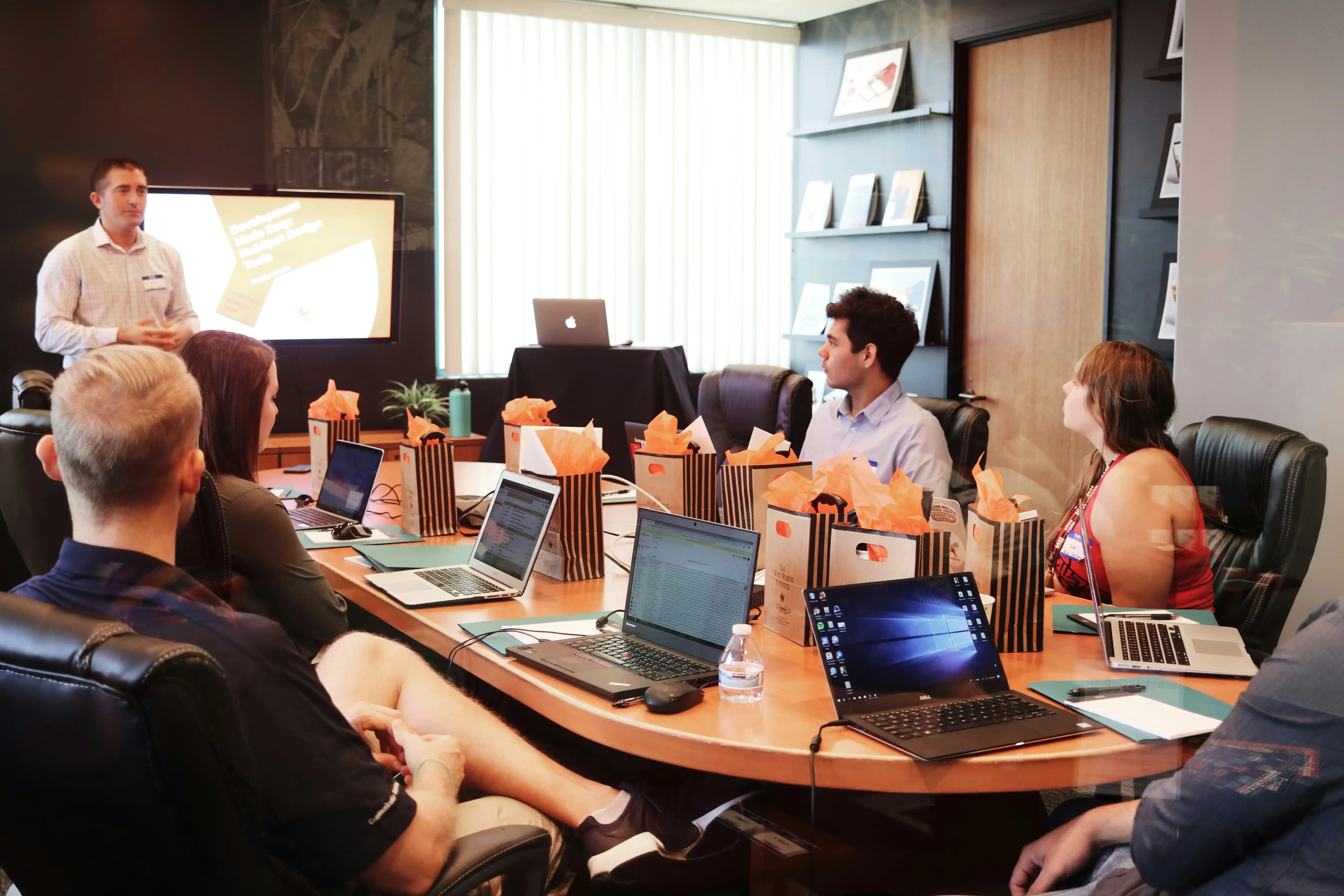
These trainers later delivered courses and workshops to accountants, finance managers, and auditors in different regions. The IFRS Training Network allowed them to stay in touch, share new ideas, and continue improving their teaching skills.
For many of them, this project also opened new professional opportunities – some trainers started offering IFRS-related consulting and training services independently.
Impact of the Project
The IFRS Capacity Building Project had a big and long-term impact on Georgia’s business and financial sector.
1. A strong group of local experts
Thanks to the project, there is now a solid group of trained IFRS professionals who can continue teaching others and supporting companies during their transition to IFRS.
2. Free and public materials
All translated and designed materials were made publicly available on the SARAS website, so anyone can use them – accountants, trainers, or students. These resources are still used today.
3. More transparency and professionalism
Companies now prepare their financial statements according to international rules, which improves trust, transparency, and the country’s business reputation.
4. Ongoing knowledge sharing
The community of trainers and professionals created during the project continues to support each other and share new updates about financial reporting.
Lessons Learned and Future Potential
The collaboration between SavvY, SARAS, and USAID G4G showed that big reforms are possible when there is good teamwork, planning, and focus on long-term results.
Some key lessons from the project include:
- Cooperation matters: Bringing together government, private sector, and international experts creates the best results.
- Localization is key: Translating and adapting materials into the Georgian language made training accessible to everyone.
- Sustainability is essential: By training trainers and making materials public, the project created a system that continues to work even years after completion.
This approach can serve as a model for other countries that want to build local capacity for IFRS or other international standards.
Building a Transparent Future
The IFRS Capacity Building Project was more than a training initiative – it was a transformation in how Georgia understands and applies financial reporting.
Through the partnership between SavvY, SARAS, and USAID G4G, IFRS training became accessible, localized, and sustainable. The result is not only better compliance with international standards but also stronger transparency and professional growth in Georgia’s financial sector.
Today, the project stands as a great example of how education, cooperation and innovation can build a stronger foundation for the country’s business environment - and a more transparent financial future.